

Eating well doesn’t have to mean following a complicated diet or completely changing the way you live. Small, consistent food choices can make everyday meals more nutritious, colorful, and satisfying.
Many healthy foods are also surprisingly simple. You don’t need unusual ingredients or complicated recipes. From protein-rich eggs to naturally sweet berries, here are seven foods worth considering as part of a balanced everyday diet.
1. Eggs
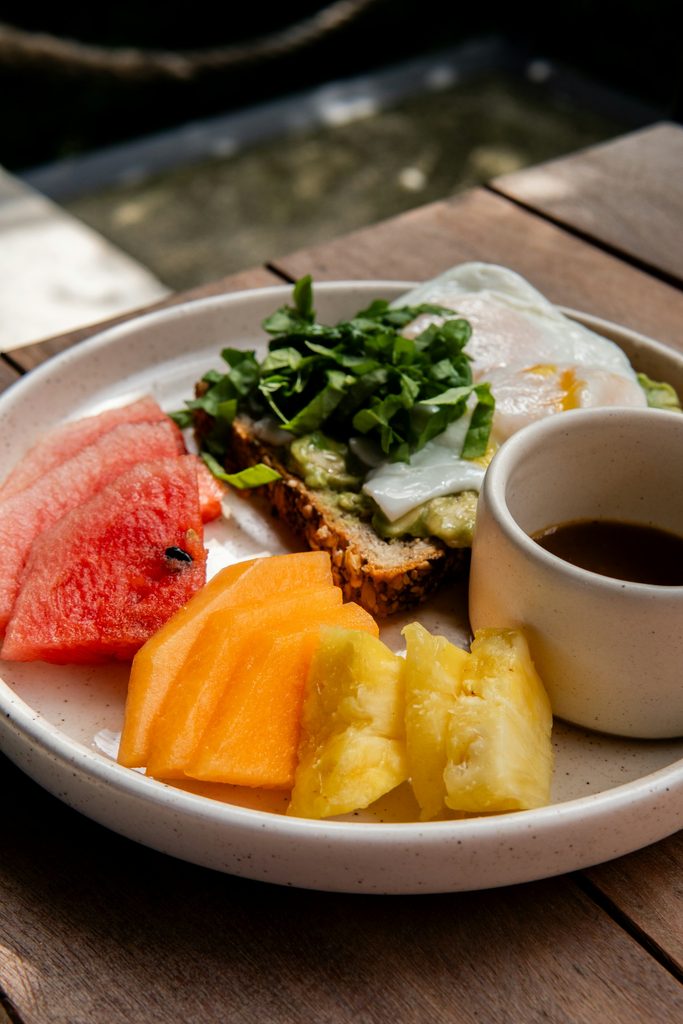
Eggs are one of the easiest foods to include in breakfast, lunch, or even dinner. They provide high-quality protein along with several important nutrients, including vitamin B12 and choline.
One of the best things about eggs is their versatility. They can be boiled, scrambled, poached, or combined with vegetables for a quick and satisfying meal.
For a more balanced plate, try pairing eggs with vegetables, whole grains, or fresh fruit.
Simple idea: Try scrambled eggs with spinach and tomatoes, or enjoy a boiled egg with whole-grain toast and fruit.
2. Greek Yogurt
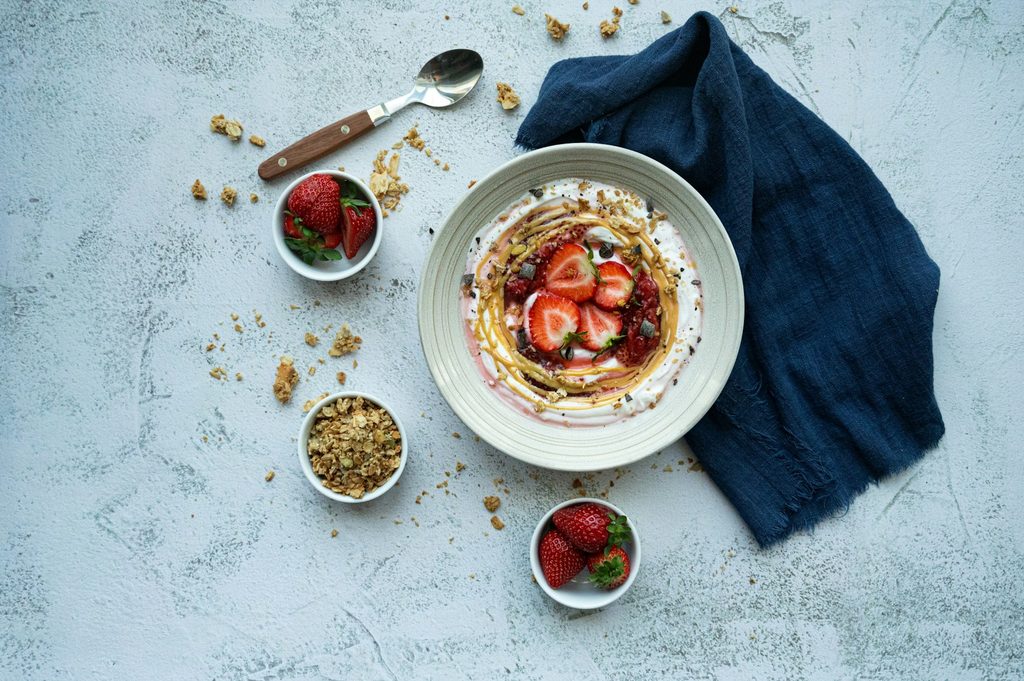
Greek yogurt is a convenient option when you want something quick and filling. Its thick, creamy texture makes it enjoyable on its own while also working well with many different toppings.
Plain Greek yogurt can be paired with fresh fruit, nuts, seeds, or a small drizzle of honey. It can work as breakfast, an afternoon snack, or even as an ingredient in certain recipes.
Choosing plain varieties also gives you more control over how much sweetness you add.
Simple idea: Top plain Greek yogurt with strawberries, blueberries, almonds, and a few seeds.
3. Oats

Oats have remained a popular breakfast food for good reason. They are a whole grain and provide fiber, including a type of soluble fiber called beta-glucan.
A simple bowl of oatmeal can also become much more interesting with the right toppings. Bananas, berries, chopped apples, cinnamon, nuts, and seeds can add different flavors and textures.
Oats are also easy to prepare, making them especially useful on busy mornings.
Simple idea: Cook oats with milk or water and top them with sliced banana, berries, cinnamon, and almonds.
4. Berries
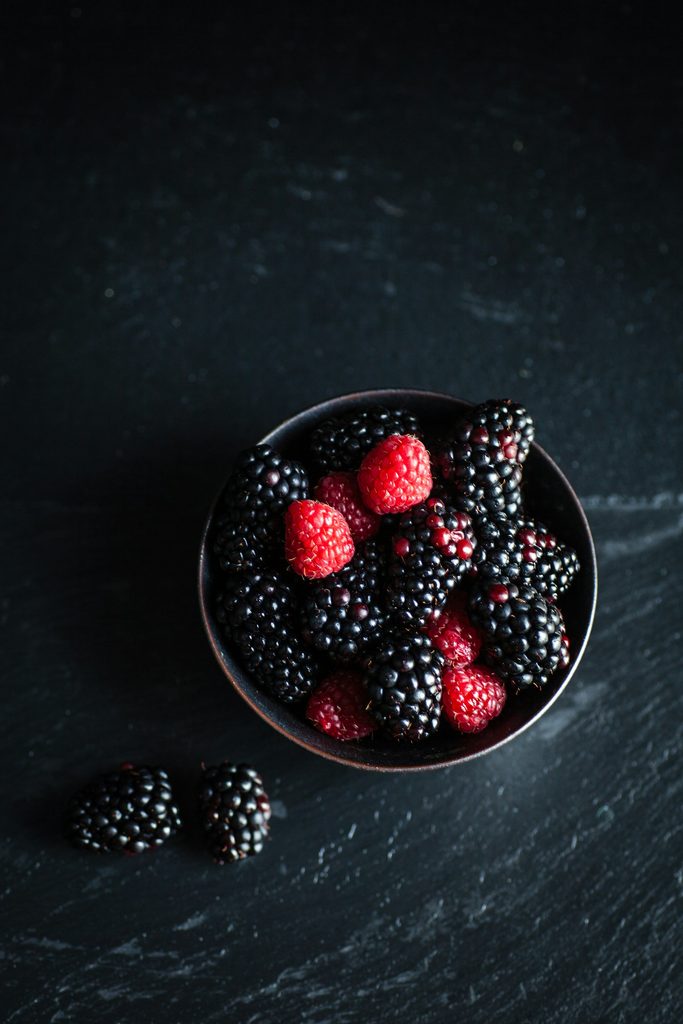
Strawberries, blueberries, raspberries, and blackberries can add plenty of color and natural sweetness to everyday meals.
Berries provide fiber, vitamins, and naturally occurring plant compounds. Because they already taste sweet, they can also be an easy way to make foods such as oatmeal or plain yogurt more enjoyable.
Fresh berries are great when available, while frozen berries can be a convenient option to keep at home.
Simple idea: Add a handful of mixed berries to oatmeal, yogurt, or a smoothie.
5. Leafy Green Vegetables
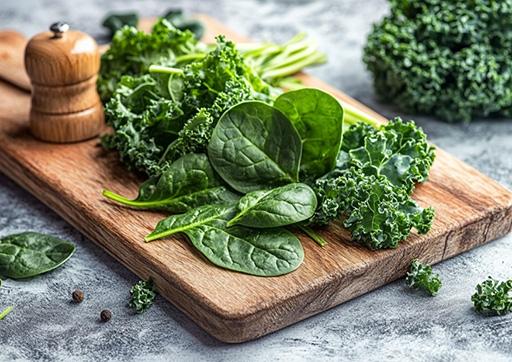
Spinach, kale, lettuce, and other leafy greens are simple vegetables that can fit into many different meals.
They provide fiber along with a variety of vitamins, minerals, and naturally occurring plant compounds.
And eating leafy greens doesn’t mean you have to eat a giant plain salad every day. Spinach can be added to scrambled eggs, sandwiches, soups, pasta, and other dishes.
Simple idea: Add a handful of spinach to your morning eggs or include leafy greens in your lunch.
6. Nuts
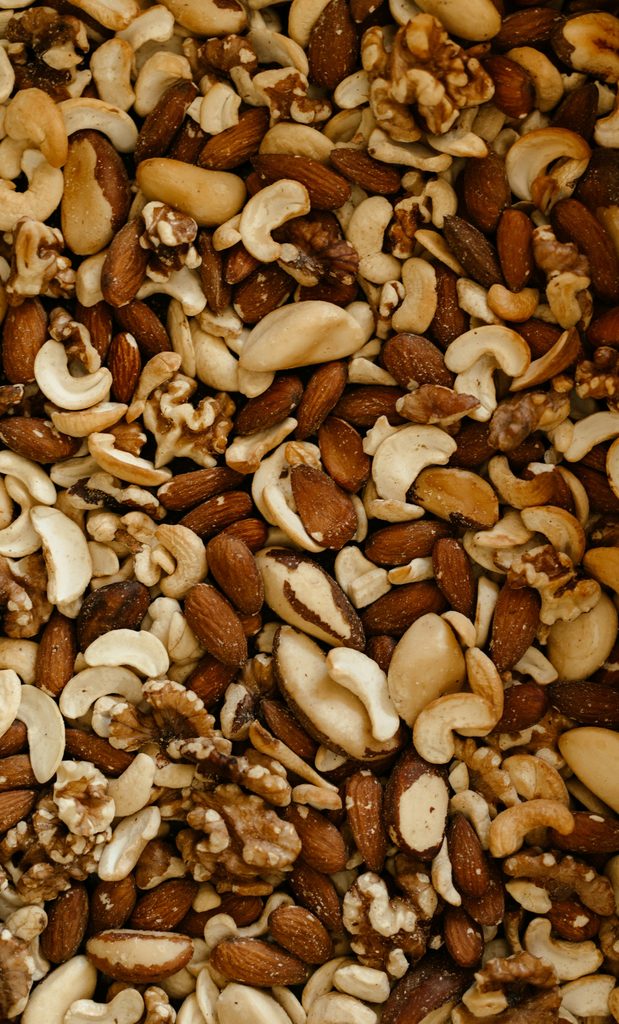
Almonds, walnuts, pistachios, cashews, and other nuts are convenient because they require almost no preparation.
Depending on the variety, nuts can provide unsaturated fats, plant protein, fiber, vitamins, and minerals.
They’re also easy to combine with other foods. You can sprinkle chopped nuts over oatmeal, mix them into yogurt, add walnuts to salads, or simply enjoy a small handful as a snack.
Simple idea: Keep a small portion of unsalted mixed nuts available when you need a convenient snack.
7. Sweet Potatoes

Sweet potatoes are colorful, filling, and easy to prepare in several different ways.
They provide carbohydrates and fiber along with nutrients such as beta-carotene, which the body can convert into vitamin A.
Sweet potatoes can be baked, roasted, mashed, or cut into wedges. Their naturally sweet flavor also means they can taste great without complicated toppings.
Simple idea: Cut a sweet potato into cubes, lightly season it, and roast until tender and golden.
Small Food Choices Can Add Up
Eating well doesn’t require every meal to be perfect. A more practical approach is to gradually include a wider variety of nutrient-rich foods in meals you already enjoy.
Eggs at breakfast, berries with yogurt, leafy greens at lunch, nuts as a snack, or roasted sweet potatoes with dinner are all relatively simple additions.
Rather than depending on one “superfood,” focus on variety and your overall eating pattern. Start with foods you genuinely enjoy and can easily fit into your routine.
This article is for general informational purposes and is not a substitute for individualized medical or nutritional advice.
